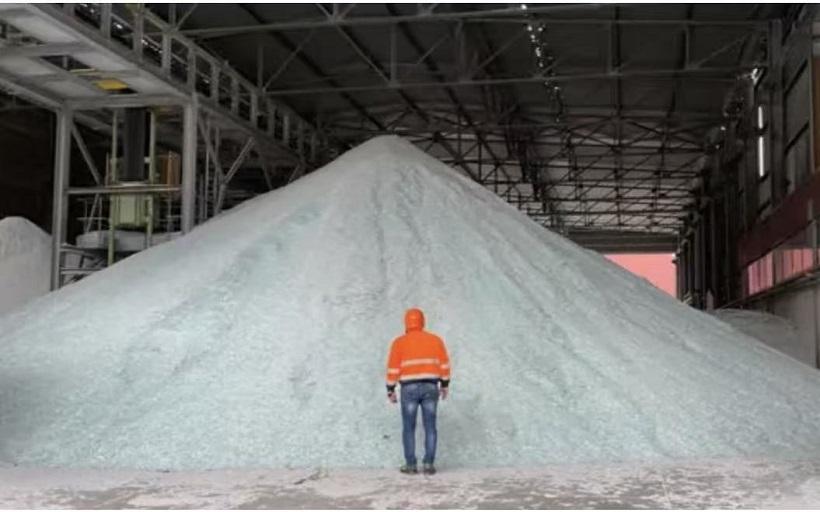
Pilkington, a leading manufacturer of flat glass in Italy, is celebrating the success of a grand circular event project involving multiple industry participants aimed at recycling post consumer glass, particularly glass used in windows and curtain walls in buildings that have reached current levels. In the worrying global context – as emphasized in McKinsey’s 2023 report on “Recyclability in the Built Environment”, currently less than 1% of float glass is recycled globally – the benefits of recycling and reusing flat glass are seemingly, scientifically based, and economically attractive. For example, recycling one ton of broken glass can avoid a surge of approximately 700 kilograms of emissions into the atmosphere. It is in this context that “Regeneration: Glass” emerged. This is an initiative promoted by the Italian company Pilkington, aimed at promoting the waste use of float glass recycling, reducing landfill waste, and contributing to the decarbonization progress of the industry. After consolidating the achievements of recycling pre consumer glass waste from cooperative glass processors, this achievement indicates that this is precisely the post consumer glass field of the construction industry, and also involves the participation of indoor manufacturers and glass waste processors. The project was implemented at a construction site in Bergamo province, where PM Serramenti employed a method to dismantle the old window system. At this stage, the materials were separated: the frame was placed in a dedicated container, while the insulated glass units were focused on specialized processing, cleaning, and crushing processes, and rubber, metal, and aluminum were removed. The subsequently produced fragmented glass was transported to the Pilkington Italy factory, where it underwent rigorous optical and chemical inspections to verify compliance with the quality standards required for flat glass production. Once approved, these recycled materials will be reintroduced into the production process, resulting in positive outcomes in terms of finished product quality (fully compliant with stadium regulations and internal standards) and environmental performance of the production process. This project once again confirms that the recycling of flat glass in the construction industry is not only theoretically feasible, but can also be achieved through a restructured, traceable, and highest quality standard operating model, “said Arturo Benini, Marketing and Product Manager at Erginton Italy. Transforming the complexity of post consumer glass restoration into an effective and scalable industrial practice is crucial for cooperation across the entire value chain. This initiative further strengthens Pilkington Italy’s commitment to seasonal cycles and sustainable industrial models, helps reduce monitoring deployment, and promotes the development of a building supply chain that strengthens environmental responsibility.